
Guide
How to raise a bilingual child who loves both cultures
Many parents in the diaspora today share the same fear: will my child lose our language?
But I think an even more important question is how to make a child love both cultures without feeling they have to choose. Bilingualism is not a problem — it is an enormous richness.
Of course, it is not always easy. Children very quickly start using the language of their surroundings, because they hear it at school, among friends, and on the internet, and they spend most of their day in it. So it is completely normal for parents to sometimes feel that their own language is slowly being reduced to just a few sentences at home.
However, pressure is not the way to build a love of language. On the contrary, it can push a child away from their mother tongue. Try a different way.
Through music, films, time spent with grandparents, through stories, through events where a child sees that this language lives outside their home too — a love of the mother tongue develops spontaneously and lastingly.
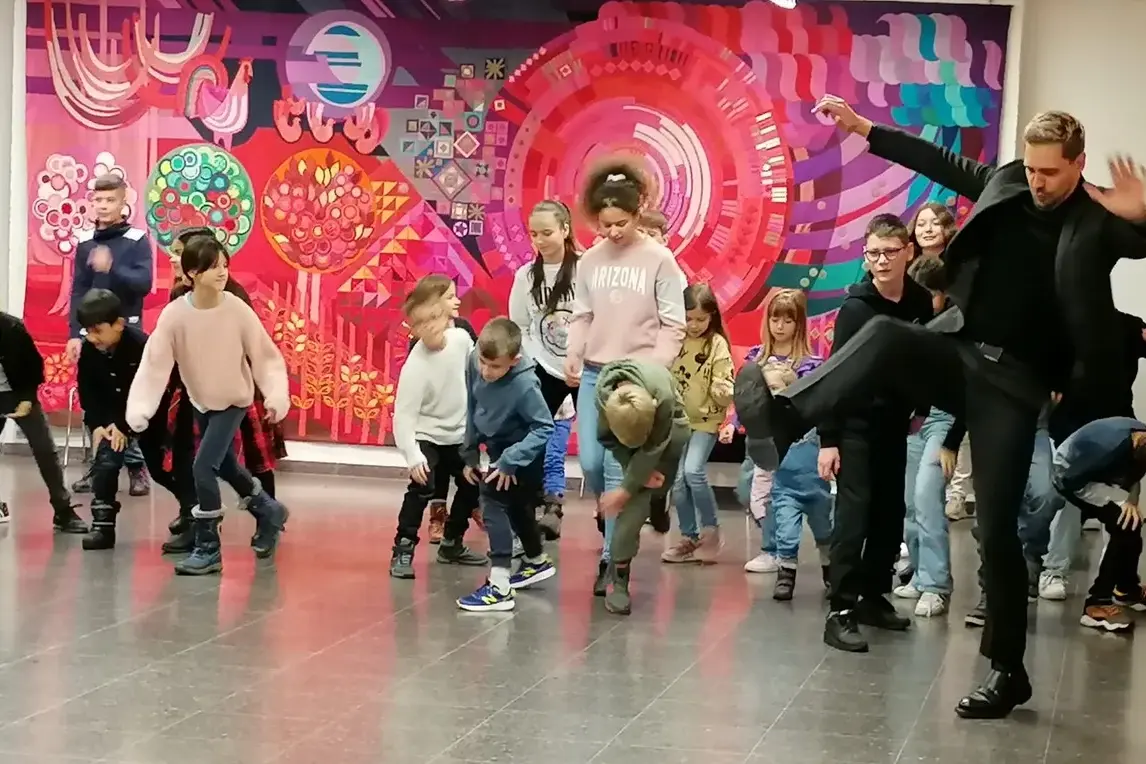
That is why I am especially glad when I see families with children at HELSE children's events. When the little ones hear a live concert for the first time, or watch a play in the language of their parents, that language suddenly takes on a new role and a new meaning. The child may not yet understand every word, but they feel the atmosphere — and it is precisely through emotion that connection is created.
I think children should not have to choose between two cultures — instead, they should be shown that they can carry both. That is exactly what can one day make them more confident, more open, and richer people.
— Evica
Our stories
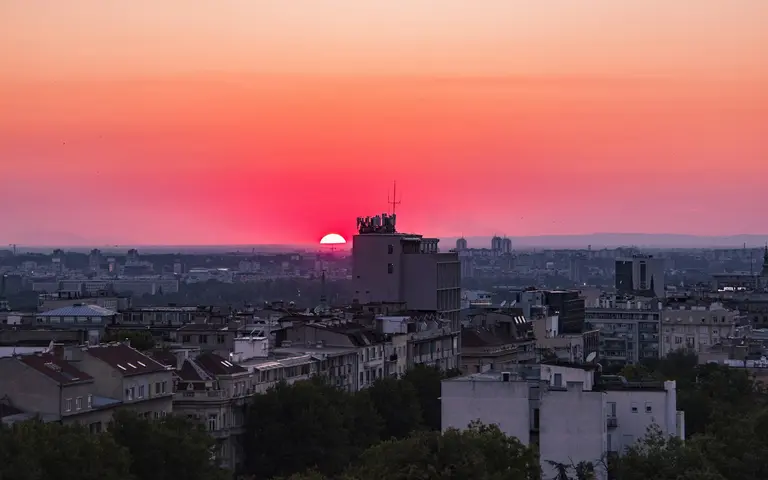
Why people from the Balkans leave so often, yet find it so hard to stop thinking about it
Evica Marković1 October 2026When you have lived away from the country you came from for a long time, your relationship with it becomes more complicated than you imagined at the start. Distance sometimes sharpens the view and sometimes clouds it with nostalgia…
Read moreEleven days when Zurich lives through film
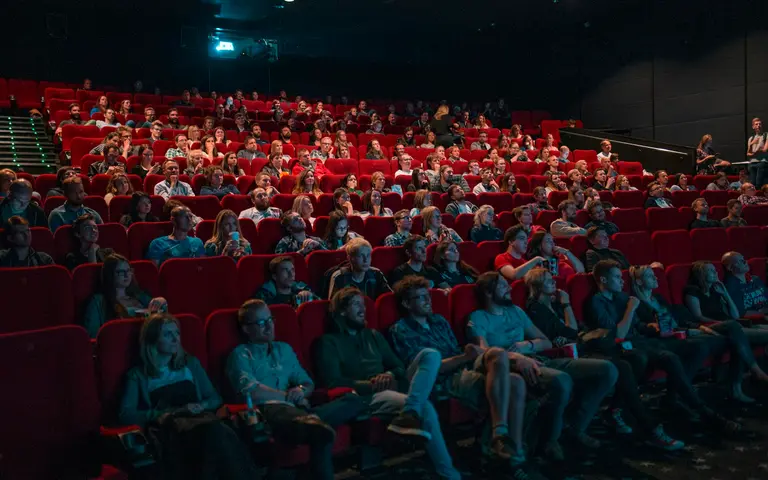
Evica Marković23 September 2026Every autumn the area around Sechseläutenplatz changes almost overnight. Festival signs appear, queues form in front of the cinemas, around town you hear more and more conversations about films nobody has had the chance to see yet, and people who might otherwise never meet end up in the same auditorium because they picked the same title from the programme…
Read moreWhen design steps out onto the streets of Zurich
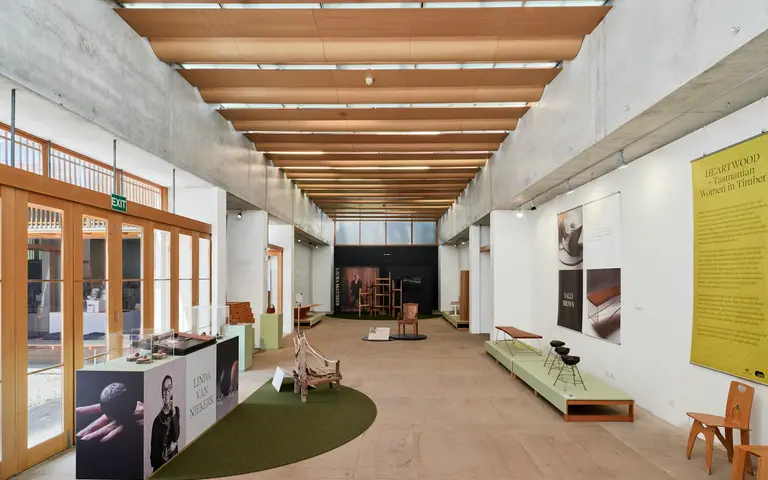
Evica Marković17 September 2026There are things we use every day and almost never think about. The chair we sit on, the glass we drink water from, the sign at the stop that tells us where to go, the light in a restaurant that keeps us there longer than we planned, or a poster on the street that makes us stop…
Read more

FAQ
Frequently asked questions.
HELSE is a Swiss cultural association that fosters exchange between Switzerland and Serbia. Through theatre, film, music, stand-up and children's workshops we build cultural bridges — alive, inspiring and open to everyone.
Our programme is diverse: theatre performances, film screenings, stand-up comedy, concerts, readings, seminars and children's workshops.
Events run year-round — the current schedule lives in the Events section.
Tickets are sold online via each event's page and, for some programmes, at the door before the show. HELSE members receive discounts on selected events.
Membership is open to anyone who wants to support the association. The annual fee is CHF 70, with reduced rates for students and pensioners.
Sign up via the Membership page — for any additional questions, write to info@helse.ch.