
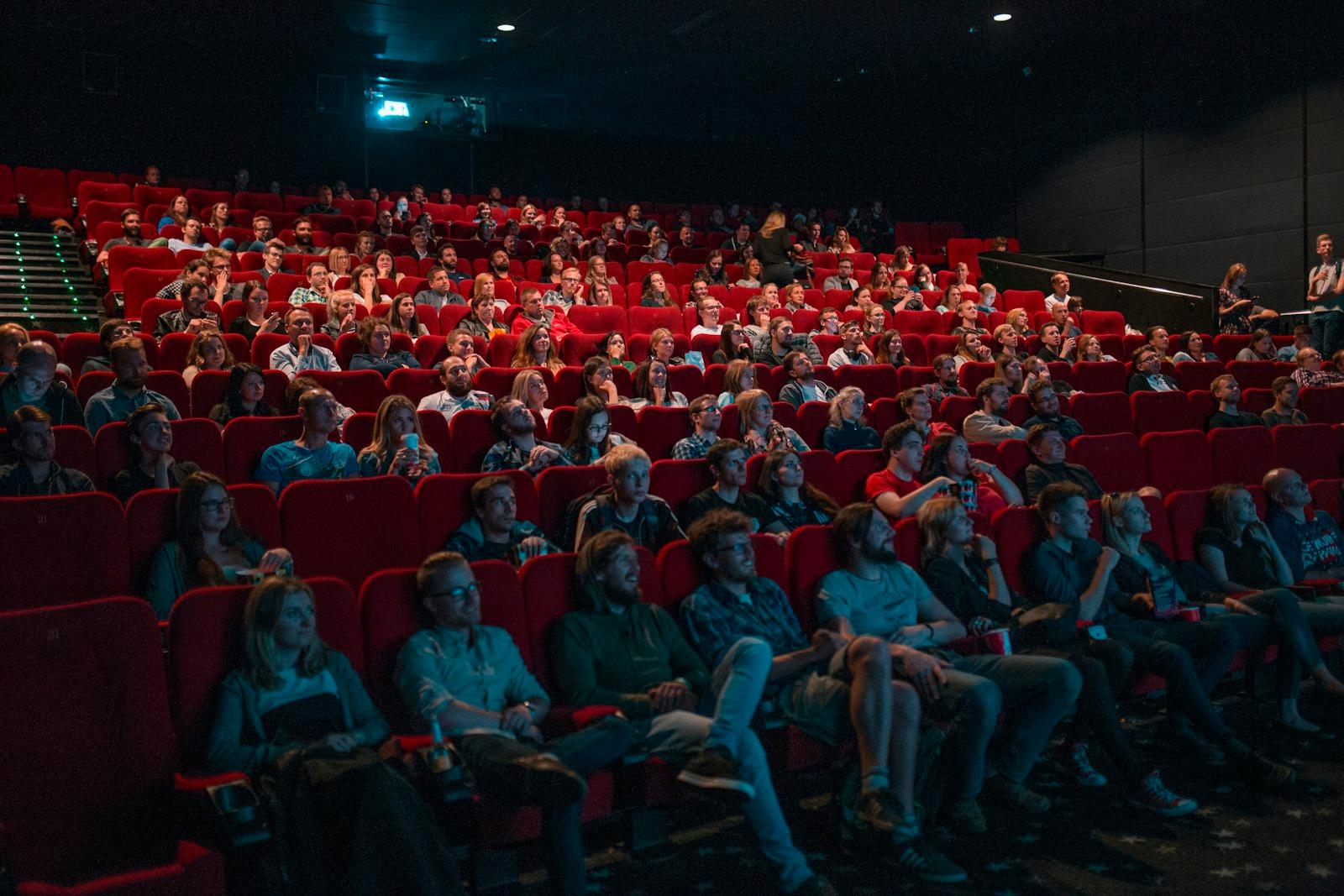
Why I love the Zurich Film Festival both as a viewer and as someone who knows how much life there is behind a single cinema screen
Eleven days when Zurich lives through film
Photo: Krists Luhaers / Unsplash
Every autumn the area around Sechseläutenplatz changes almost overnight. Festival signs appear, queues form in front of the cinemas, around town you hear more and more conversations about films nobody has had the chance to see yet, and people who might otherwise never meet end up in the same auditorium because they picked the same title from the programme. This year the Zurich Film Festival opens on 24 September and runs until 4 October, and for years those eleven days have been one of the most interesting stretches of the cultural autumn in Zurich for me.
I watch films from two perspectives. As an audience member I still want the same thing I wanted when I first fell in love with cinema: for the lights to go down and for the story to take me somewhere I had not planned to go. Through my work in film distribution, however, I have learned how many people, decisions, deadlines, subtitles, materials, negotiations and small problems stand behind the moment a film finally reaches its audience. That is why at festivals I often watch what happens around a film too. Who presents it, how the audience reacts, what questions they ask the filmmaker, and why some small film without a big campaign suddenly becomes the title everyone is talking about.
The ZFF is interesting precisely because it manages to bring the big world of film together with a very direct audience experience. The programme has more than a hundred films, along with talks, masterclasses and events with people from the film industry. Sometimes big names come to Zurich and draw the red-carpet crowd and the photographers, but I often find the conversations with directors and actors whose film we are seeing for the first time even more interesting. When the filmmaker stands in front of the audience after the screening and explains how a scene came about, the film somehow carries on past the end credits.
This year I will be paying particular attention to films from Serbia and the region. Our cinema often travels through festivals much better than audiences back home get to see. In an international festival programme, films from the Balkans take on a different context: they sit alongside films from Japan, France, Argentina or the US, and suddenly we see which stories are truly local and which are far more universal than we thought.
The full ZFF 2026 programme was published on 9 September, and tickets have been on sale since 14 September. Our Lenka has picked out specific Balkan titles from this year's selection at the end of this piece. I do not want to recommend a film just because it comes from our region; I find it much more interesting to discover a film I would recommend to a friend regardless of the flag next to the director's name.
The ZFF is also a good reason to take children to the cinema a little differently than usual. ZFF for Kids is aimed at younger audiences, and I really like the idea, because through the festival a child can discover a film that might never make it into regular cinema distribution. I love it even more that, through the Kids Studio, the festival involves children throughout the year in making their own films. Once a child realises that a film is not only something you watch but something that grows out of an idea, a camera, sound, acting and editing, the cinema takes on a whole new dimension.
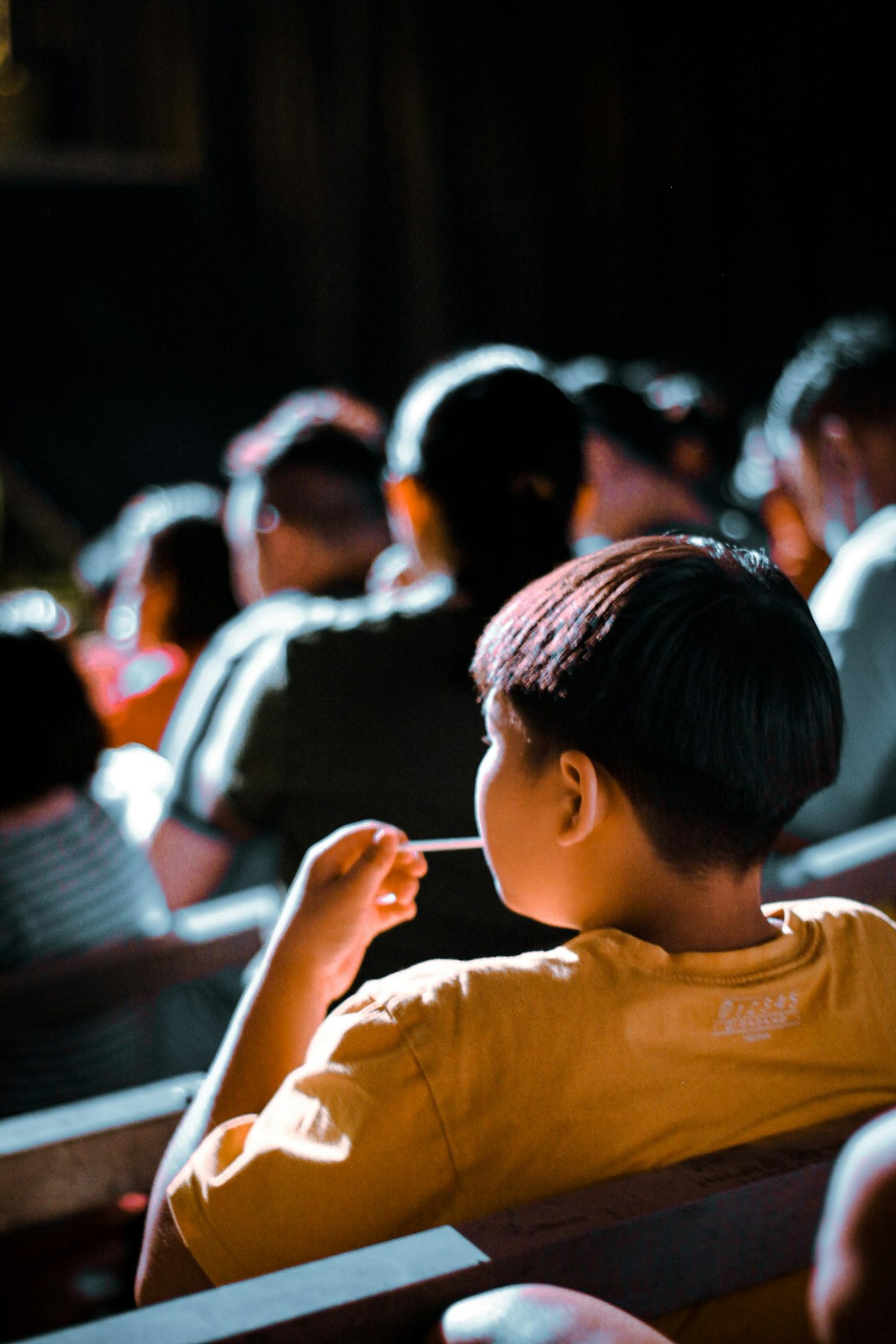
So my advice to parents is not to choose only by a familiar title. Look at the age rating, the subject and the language of the screening, and then choose something together with your child that you would not normally watch. A festival film can be a wonderful start to a conversation after the cinema, especially when the story comes from a country and culture the child knows little about.
What I have always loved most about film festivals is exactly that small shift in the boundaries of taste. In the regular cinema programme we often choose what we already assume we will like. A festival nudges us to buy a ticket for a title we know only a few sentences about. Sometimes we get it wrong, and sometimes that very film turns out to be the loveliest surprise of the year.
If you are in Zurich between 24 September and 4 October, treat yourself to at least one festival evening. Come a little early, take in the atmosphere around Sechseläutenplatz, choose a film that is not an entirely safe bet, and stay for the conversation with the filmmakers if there is one. Films, like theatre, are at their best when the conversation carries on afterwards.
— Evica
Our stories
Why people from the Balkans leave so often, yet find it so hard to stop thinking about it
Evica Marković1 October 2026When you have lived away from the country you came from for a long time, your relationship with it becomes more complicated than you imagined at the start. Distance sometimes sharpens the view and sometimes clouds it with nostalgia…
Read moreWhen design steps out onto the streets of Zurich
Evica Marković17 September 2026There are things we use every day and almost never think about. The chair we sit on, the glass we drink water from, the sign at the stop that tells us where to go, the light in a restaurant that keeps us there longer than we planned, or a poster on the street that makes us stop…
Read more
How well do we really know the people we live with?
Evica Marković10 September 2026There is one illusion that easily settles into long relationships: after enough years we start to believe we know the other person almost completely. We know how they drink their coffee, what they will order in a restaurant, which story they will tell in company and what face they will make when we say something they do not like…
Read more

FAQ
Frequently asked questions.
HELSE is a Swiss cultural association that fosters exchange between Switzerland and Serbia. Through theatre, film, music, stand-up and children's workshops we build cultural bridges — alive, inspiring and open to everyone.
Our programme is diverse: theatre performances, film screenings, stand-up comedy, concerts, readings, seminars and children's workshops.
Events run year-round — the current schedule lives in the Events section.
Tickets are sold online via each event's page and, for some programmes, at the door before the show. HELSE members receive discounts on selected events.
Membership is open to anyone who wants to support the association. The annual fee is CHF 70, with reduced rates for students and pensioners.
Sign up via the Membership page — for any additional questions, write to info@helse.ch.