
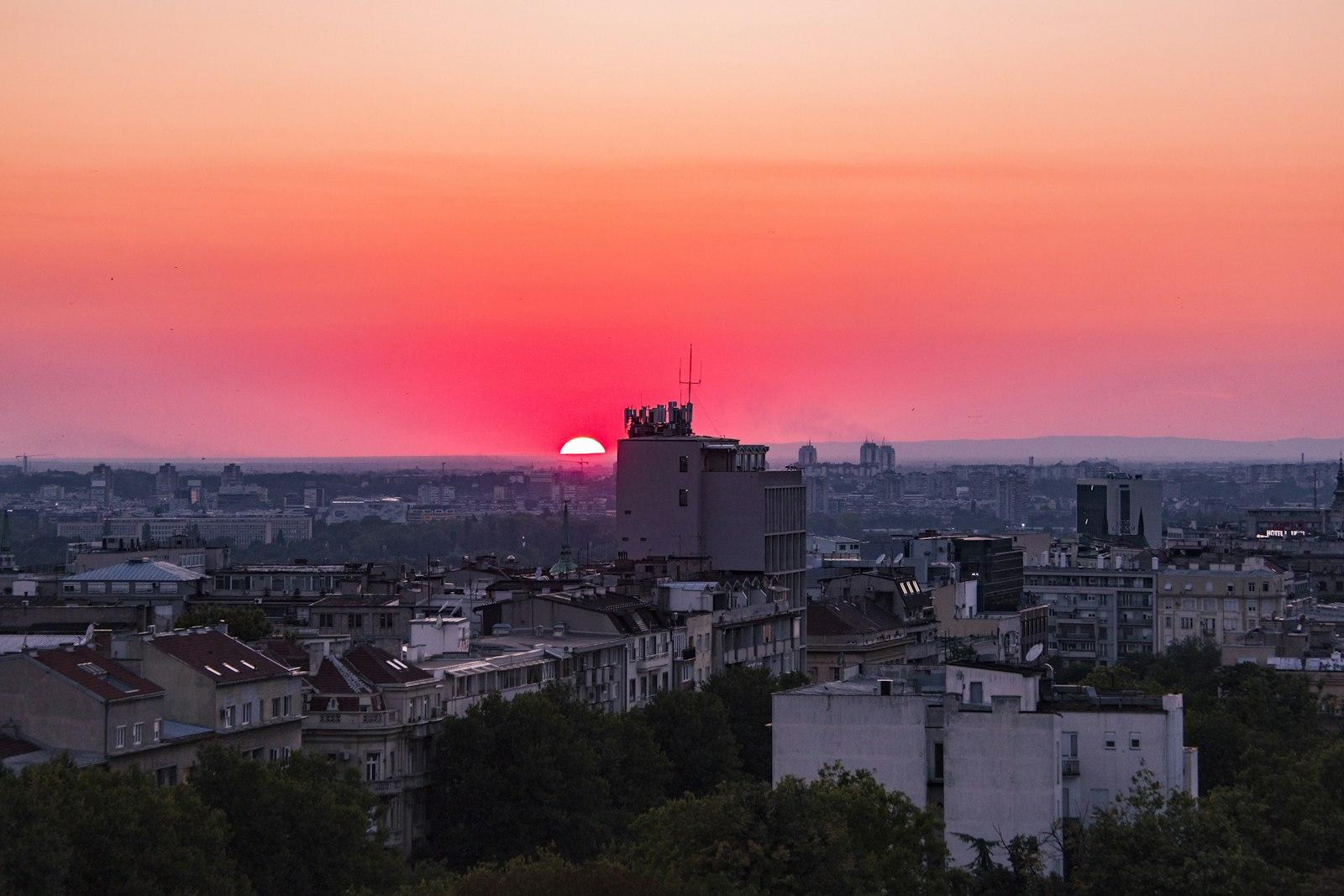
On the country we watch from afar, the numbers that do not tell the whole story and the questions that travel with us
Why people from the Balkans leave so often, yet find it so hard to stop thinking about it
Photo: Aleksandr Popov / Unsplash
When you have lived away from the country you came from for a long time, your relationship with it becomes more complicated than you imagined at the start. Distance sometimes sharpens the view and sometimes clouds it with nostalgia. We read the news differently, we notice changes in bursts when we come to visit, we talk to the people who stayed and try to understand from their everyday stories what statistics can never fully explain.
After more than thirty years of living in Switzerland, I often think about how much my view of Serbia and the region I come from has changed. When you are young and you leave, you are usually driven by very concrete things: work, studies, love, security or the wish to try something different. Only later do you start asking bigger questions about why generations of people leave some societies, why they return to others, and what has to be in place for a person to plan a future without the constant feeling that their only serious option is somewhere else.
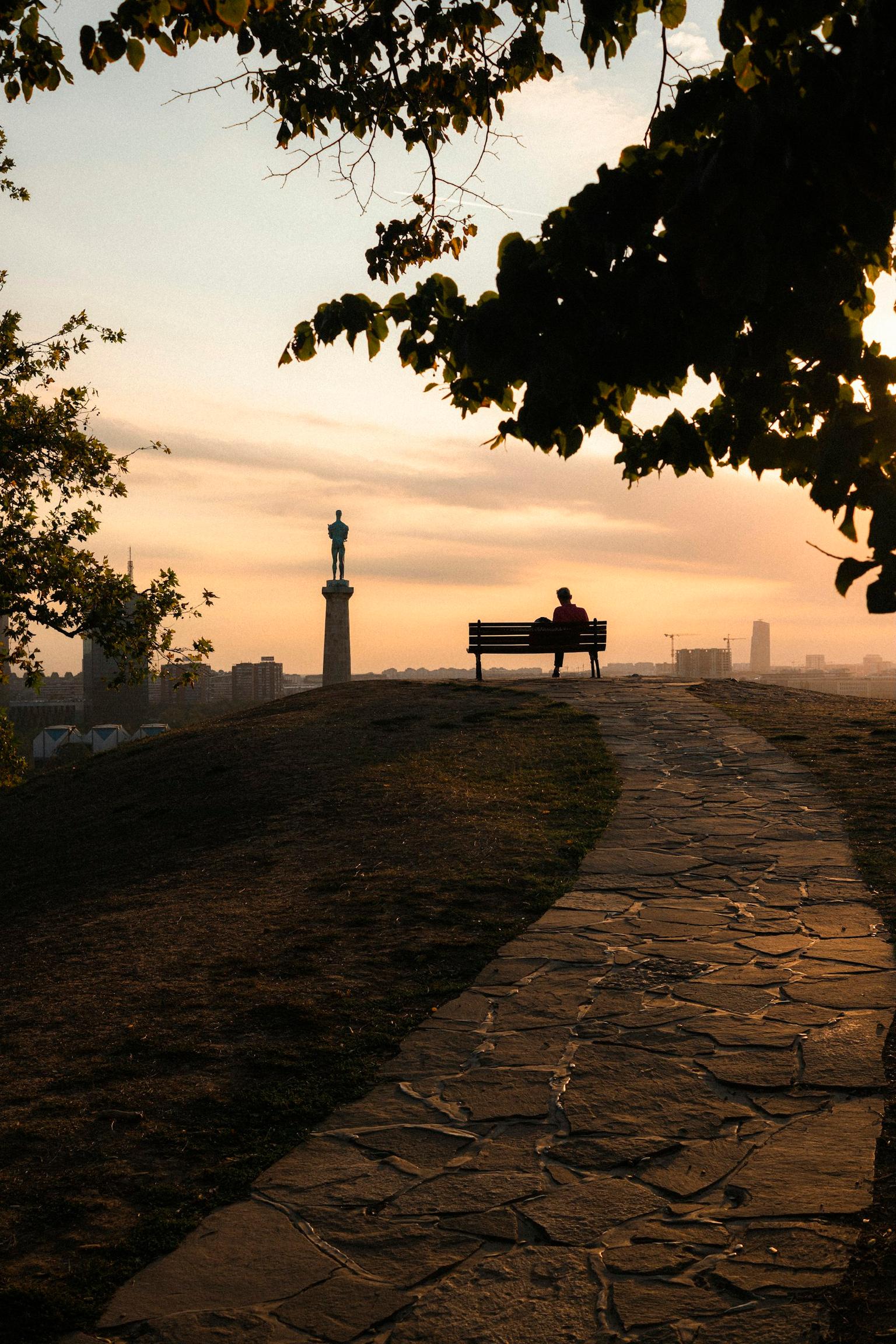
The economy is talked about mostly in numbers. Growth, the average wage, public debt, investment and rankings can tell us a lot, but everyday life has its own indicators. How long does a young person have to work before they can live independently? Do they believe effort and knowledge will be rewarded? Can a family plan the next five years? How many people leave because they want adventure, and how many because they see no room for themselves? Questions like these are economic, social and deeply personal all at once.
That is why the book "Mit o balkanskom tigru" (The Myth of the Balkan Tiger) by Ognjen Radonjić and Ivan Ostojić caught my attention. It deals with the economic and social reality of Serbia, the last decades of development and the gap between optimistic public narratives and the structural problems the authors see behind them. Published in 2025, it has already gone through several editions and sparked debates that clearly interest a much wider circle of people than professional economists.
What I find especially interesting is when economics is translated into a language we can connect with our own lives. You do not have to be an economist to understand what it means when your child is thinking about leaving, when friends wait years for a stable job, or when education, healthcare and institutions do not give the sense of security we expect. At the same time, it is important to talk about what works, where opportunities exist and which changes could genuinely make a difference.
Living in Switzerland does not automatically make us better observers of the Balkans. Here, too, we can idealise the system we live in or, from a distance, oversimplify the problems of the people who stayed. But comparing the two settings sometimes opens up useful questions. We start to notice how much institutions shape everyday life, how important trust is for a society, and how much economic factors really matter to someone trying to make a normal plan for their life.
That is why I think topics like this should be discussed in person, especially in the diaspora. People living in Switzerland carry very different experiences. Some left forty years ago, some four months ago. Some would go back tomorrow, some have built their whole lives here, and some still say every summer that "one day" they will live again where they came from. From different angles we are all looking at the same question: what kind of society are we leaving to the generations that come after us?
This is exactly what we will be talking about on 25 October at 19:00 in the Weisser Saal of the Volkshaus Zürich, at a literary evening and panel dedicated to the book "Mit o balkanskom tigru". I want it to be a conversation in which the book serves as a starting point for questions many of us have carried for a long time. I would like the audience to have room to hear the arguments, ask questions and perhaps leave with a clearer picture of a subject that often gets lost between political slogans and family conversations.
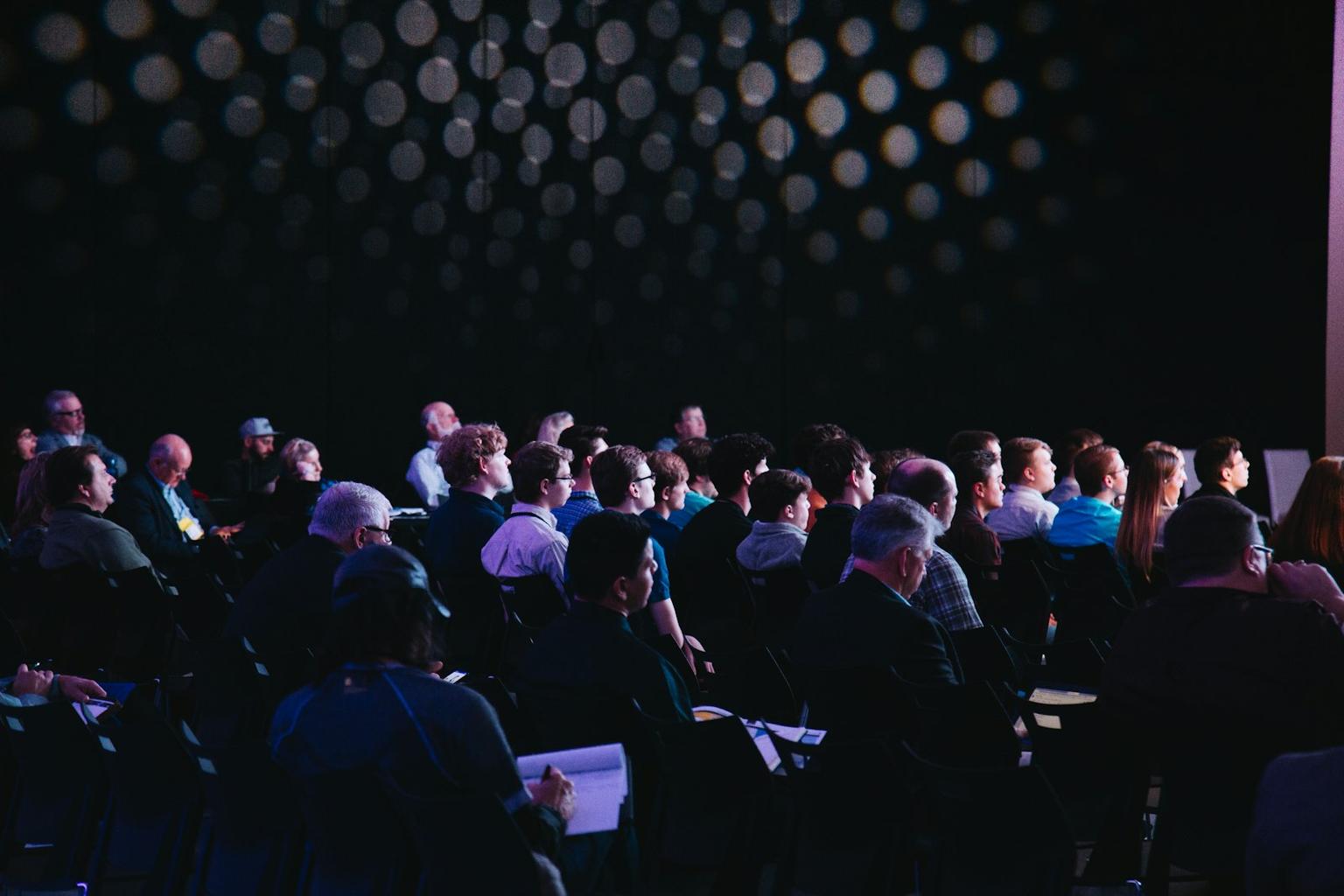
Events like this matter to me precisely because the diaspora should not only be an audience for stories coming from the Balkans. We have the experience of living in a different system, we know both the advantages and the frustrations of life here, and we can contribute to a conversation that is more serious than comparing salaries or comments on social media.
For many of us the Balkans have remained a place we return to even when we no longer live there. We return to the people, the language, the food, the music and the memories, but also to questions about why some things have been so hard to change for decades. Perhaps precisely because of that emotional bond we have an added responsibility to talk about them soberly, with facts and a willingness to hear opinions that differ from our own.
— Evica
Our stories
Eleven days when Zurich lives through film
Evica Marković23 September 2026Every autumn the area around Sechseläutenplatz changes almost overnight. Festival signs appear, queues form in front of the cinemas, around town you hear more and more conversations about films nobody has had the chance to see yet, and people who might otherwise never meet end up in the same auditorium because they picked the same title from the programme…
Read moreWhen design steps out onto the streets of Zurich
Evica Marković17 September 2026There are things we use every day and almost never think about. The chair we sit on, the glass we drink water from, the sign at the stop that tells us where to go, the light in a restaurant that keeps us there longer than we planned, or a poster on the street that makes us stop…
Read more
How well do we really know the people we live with?
Evica Marković10 September 2026There is one illusion that easily settles into long relationships: after enough years we start to believe we know the other person almost completely. We know how they drink their coffee, what they will order in a restaurant, which story they will tell in company and what face they will make when we say something they do not like…
Read more

FAQ
Frequently asked questions.
HELSE is a Swiss cultural association that fosters exchange between Switzerland and Serbia. Through theatre, film, music, stand-up and children's workshops we build cultural bridges — alive, inspiring and open to everyone.
Our programme is diverse: theatre performances, film screenings, stand-up comedy, concerts, readings, seminars and children's workshops.
Events run year-round — the current schedule lives in the Events section.
Tickets are sold online via each event's page and, for some programmes, at the door before the show. HELSE members receive discounts on selected events.
Membership is open to anyone who wants to support the association. The annual fee is CHF 70, with reduced rates for students and pensioners.
Sign up via the Membership page — for any additional questions, write to info@helse.ch.