
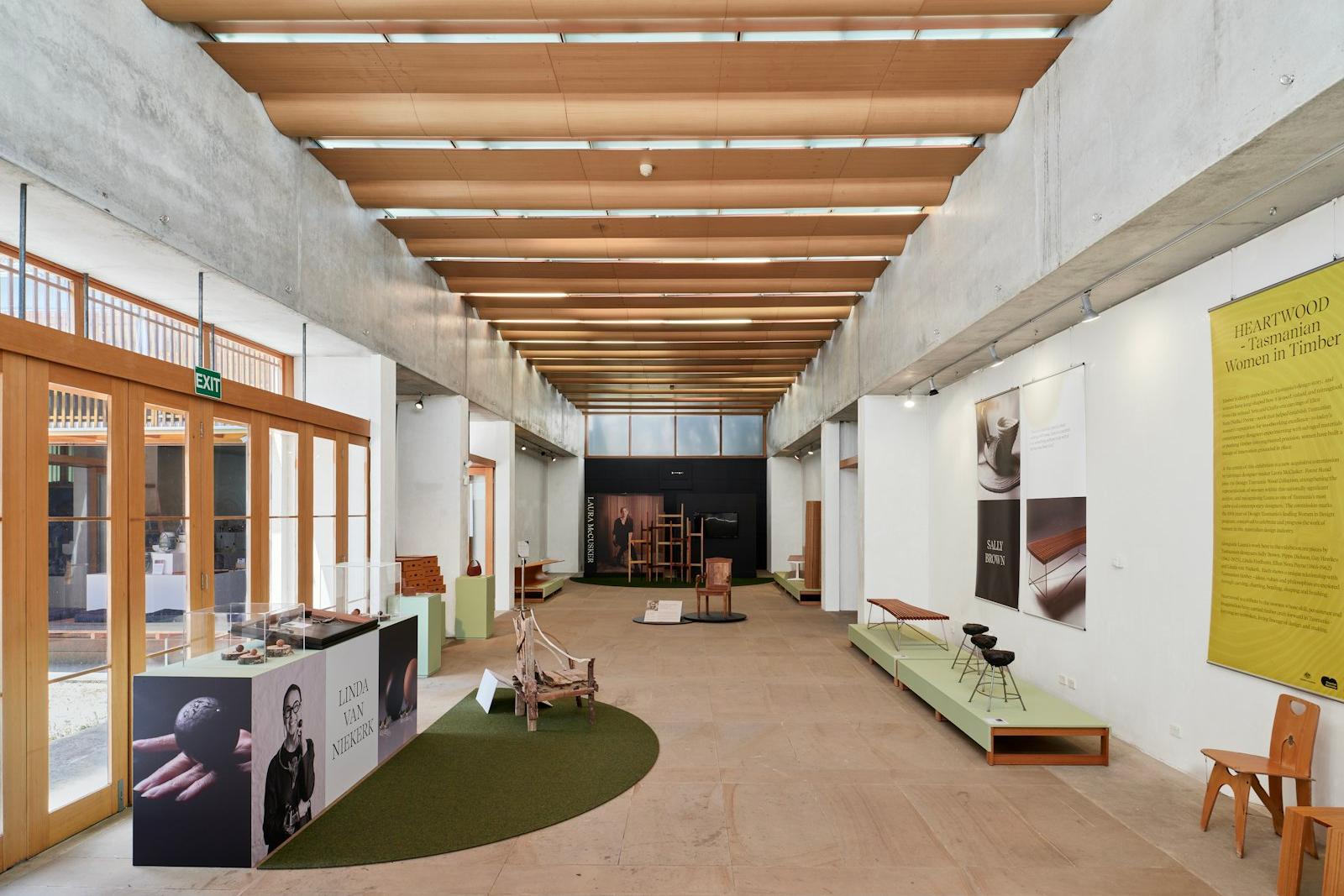
On the things we use every day, the spaces where we feel good and the details we notice only when someone changes their shape
When design steps out onto the streets of Zurich
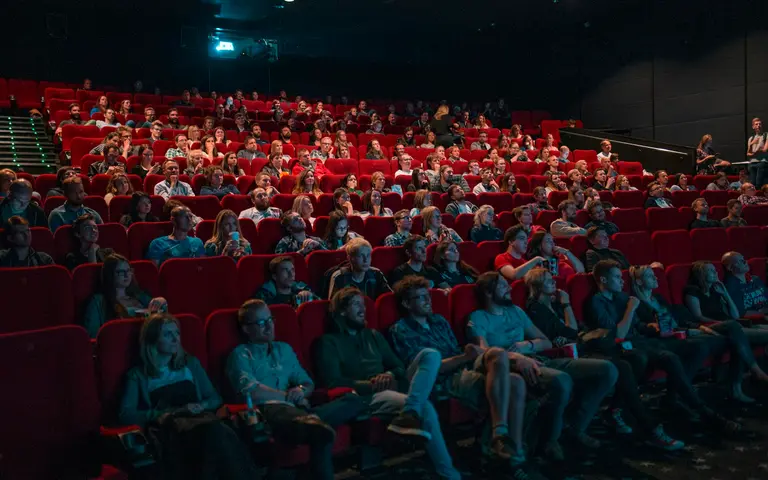
Photo: Neon Wang / Unsplash
There are things we use every day and almost never think about. The chair we sit on, the glass we drink water from, the sign at the stop that tells us where to go, the light in a restaurant that keeps us there longer than we planned, or a poster on the street that makes us stop. Someone designed all of it, chose the material, the size, the colour and the way we would communicate with that object or space. Design is everywhere around us — we simply tend to notice it only when something does not work.
That is why I find it interesting that every autumn, through Zurich Design Weeks, Zurich opens up the subject of design far more widely than we usually imagine when we hear that word. From 17 to 27 September, different locations around the city become places for exhibitions, talks, workshops and encounters with people who think about how we shape objects, spaces and the future we are going to live in. This year's motto "OUT OF…" already sounds like an invitation to step outside the usual frame and look at what happens when we see familiar things from another angle.
I am particularly interested in design through cultural events. When you organise a performance, you quickly learn that the audience experiences far more than what happens on stage. The poster is often the first encounter with the event. The entrance to the hall, the light in the foyer, the way the chairs are arranged, the programme someone is holding and even the route the audience takes to their seat all shape the whole experience. Good design does not impose itself. It simply helps a person find their way, feel comfortable and keep their attention where it belongs.
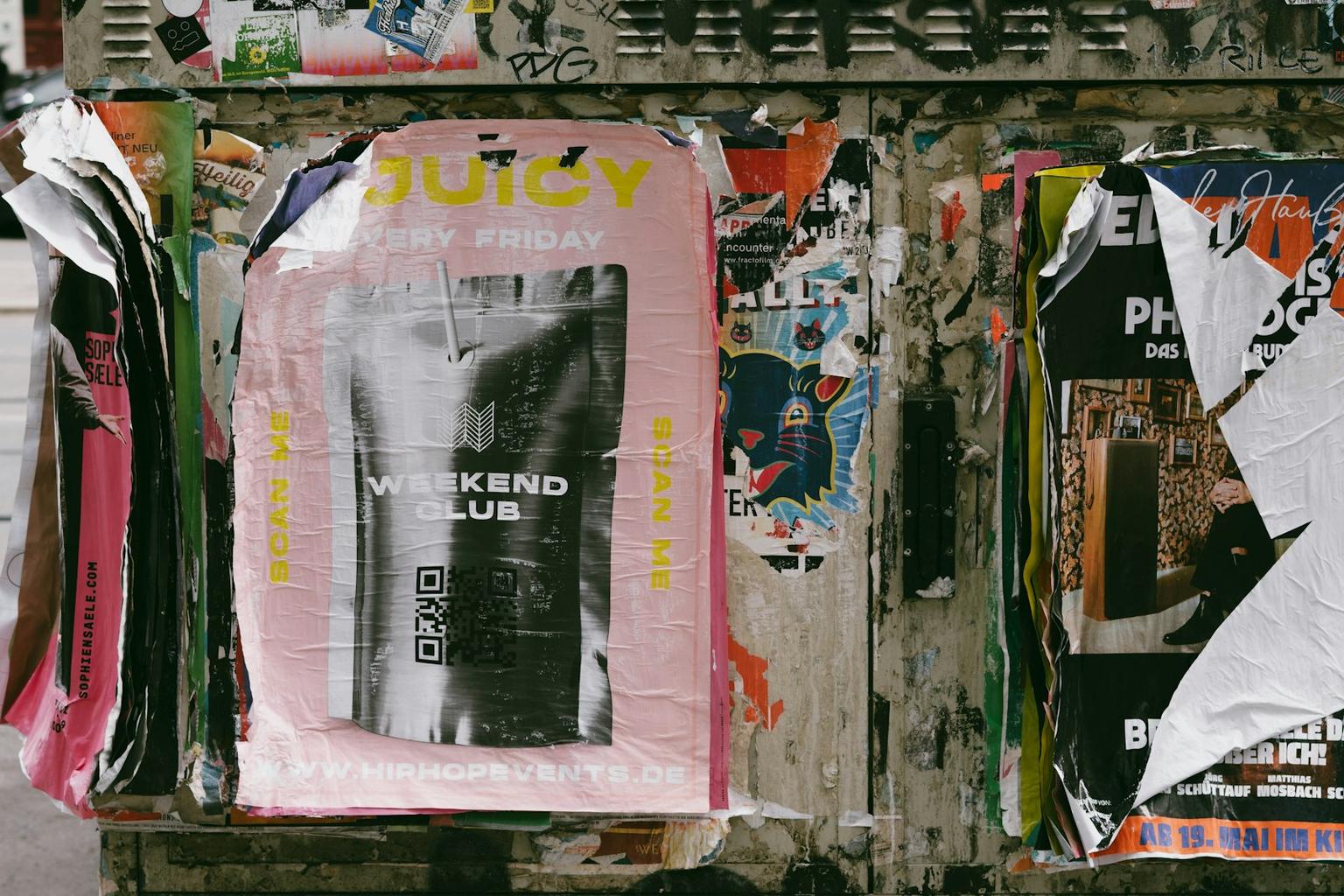
Switzerland is a country where, over time, I have learned to appreciate exactly that kind of thoughtfulness. You can see it in public transport, in graphic signage, in architecture, in books, in packaging and in the way public spaces are arranged. Of course, not everything is perfect here either, but there is a long tradition of thinking seriously about function and form. When you live in such an environment for a long time, you start noticing details you may never have registered before.
Design is also interesting because it tells us a great deal about the time we live in. It used to be enough for an object to be beautiful and functional. Today we talk more and more about durability, usability and sustainability. The same goes for cities. The question of what public space will look like is no longer only an aesthetic one; it is tied to the climate, mobility, an ageing population, children, accessibility and the way we want to live together.
That is precisely why I would recommend Zurich Design Weeks even to people who would never describe themselves as design lovers. You do not have to know the names of designers or follow trends. It is enough to be curious about how the things around us come into being, and why we feel good in one space while we want to leave another as soon as possible. A good programme often opens a question we carry home with us and start noticing in our own flat, office or street.
These days I find it especially interesting to watch how cultural life in Zurich overlaps. As Design Weeks begins, we at HELSE are on the eve of our play "Ljudi odozgo" on 19 September at the Volkshaus. Two completely different events, and both of them remind me how important it is to step out of the routine and see something live. One time we watch what designers do with objects and space, another time what actors do with a text, a stage and an audience. In both cases the experience depends on our own willingness to be present.
If you have time this weekend, walk through one of the Zurich Design Weeks programmes without any obligation to understand or see everything. Choose a theme that feels close to you, visit one space you have never been to before, and pay attention to the city along the way. Afterwards you may look differently at the bench you are sitting on, the shop window you walk past or the poster that until yesterday was just part of the street.
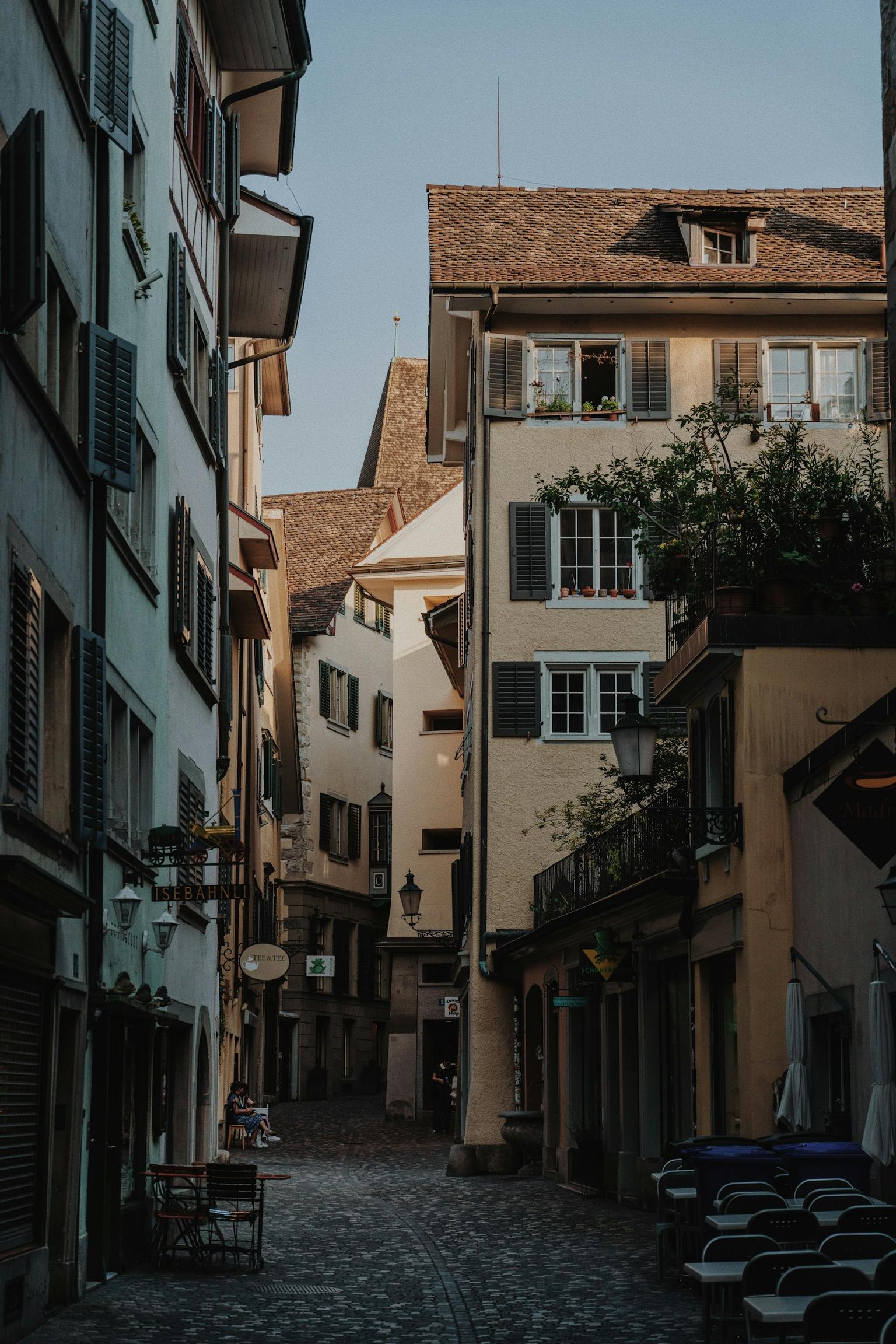
Those are exactly the kind of cultural events I love most. They give us a new pair of eyes for a few hours, and then return us to the same city, which suddenly looks a little different.
— Evica
Our stories
Why people from the Balkans leave so often, yet find it so hard to stop thinking about it
Evica Marković1 October 2026When you have lived away from the country you came from for a long time, your relationship with it becomes more complicated than you imagined at the start. Distance sometimes sharpens the view and sometimes clouds it with nostalgia…
Read moreEleven days when Zurich lives through film
Evica Marković23 September 2026Every autumn the area around Sechseläutenplatz changes almost overnight. Festival signs appear, queues form in front of the cinemas, around town you hear more and more conversations about films nobody has had the chance to see yet, and people who might otherwise never meet end up in the same auditorium because they picked the same title from the programme…
Read more
How well do we really know the people we live with?
Evica Marković10 September 2026There is one illusion that easily settles into long relationships: after enough years we start to believe we know the other person almost completely. We know how they drink their coffee, what they will order in a restaurant, which story they will tell in company and what face they will make when we say something they do not like…
Read more

FAQ
Frequently asked questions.
HELSE is a Swiss cultural association that fosters exchange between Switzerland and Serbia. Through theatre, film, music, stand-up and children's workshops we build cultural bridges — alive, inspiring and open to everyone.
Our programme is diverse: theatre performances, film screenings, stand-up comedy, concerts, readings, seminars and children's workshops.
Events run year-round — the current schedule lives in the Events section.
Tickets are sold online via each event's page and, for some programmes, at the door before the show. HELSE members receive discounts on selected events.
Membership is open to anyone who wants to support the association. The annual fee is CHF 70, with reduced rates for students and pensioners.
Sign up via the Membership page — for any additional questions, write to info@helse.ch.