

A few thoughts after an evening with Georgi Gospodinov at Literaturfestival Zürich
A conversation I did not want to end
Photo: Tihomira Krumova
There are evenings you leave the house for with a clear plan, and come home from with thoughts you never expected. That happened to me a few days ago at Literaturfestival Zürich.
I went to the Old Botanical Garden out of curiosity. I wanted to hear Georgi Gospodinov live, to see how he speaks when there is no longer a book cover between him and the audience, and no translator choosing every word for him. The fact that he is one of the most significant authors in Europe today, a Booker Prize winner, was not what mattered most to me.
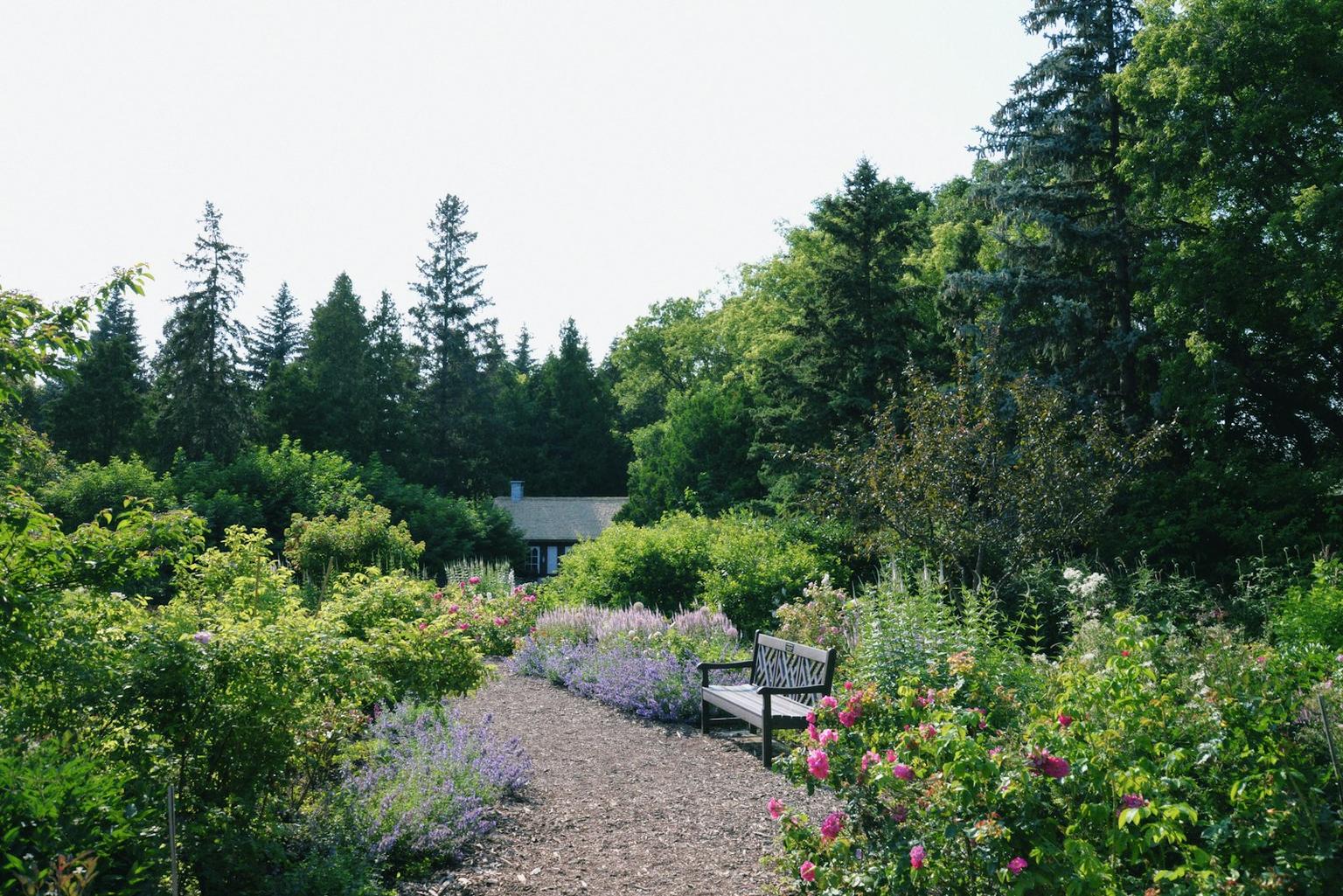
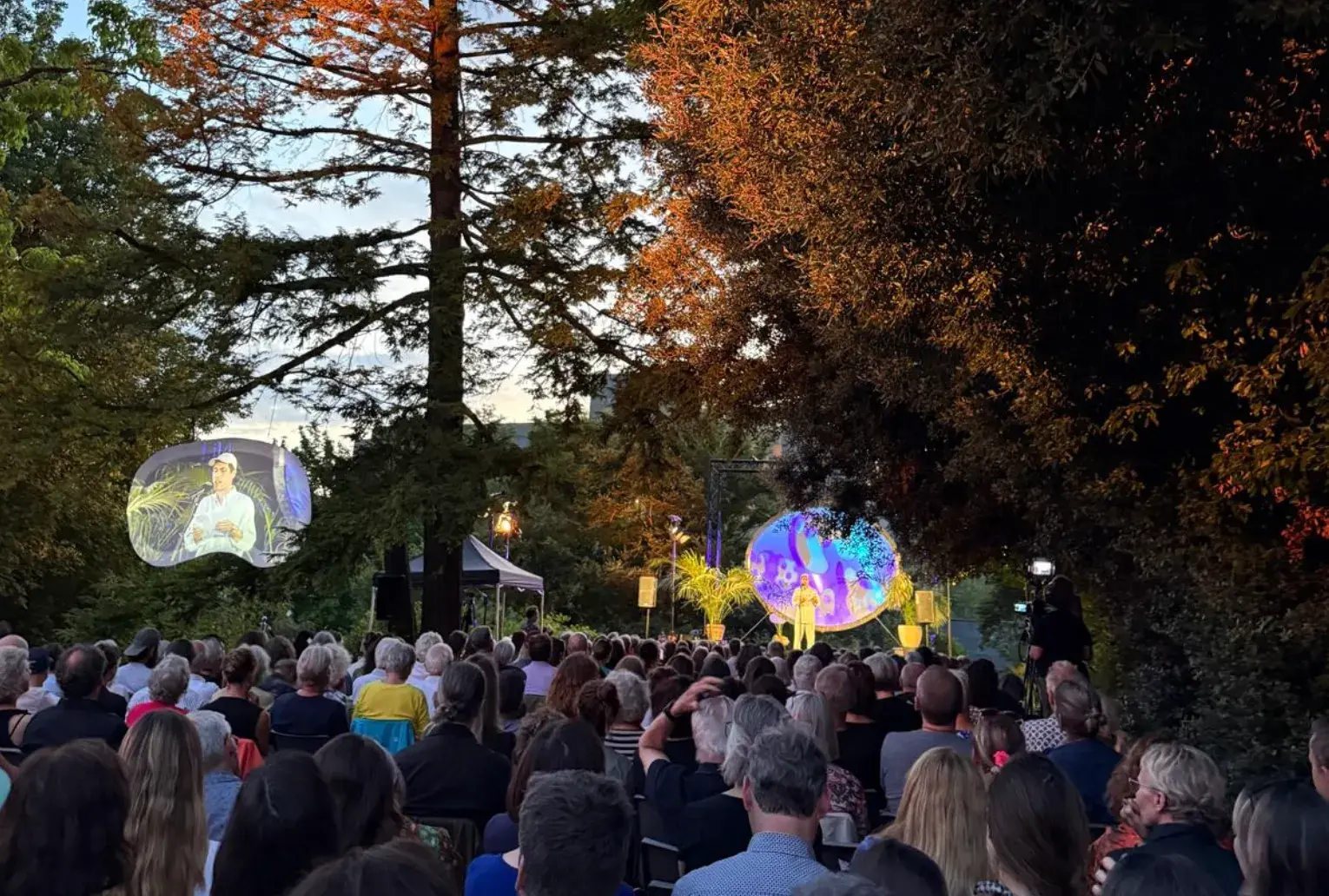
The moment I stepped into the garden it was clear to me why this festival is different from so many other cultural events. You are not met by a big stage, by floodlights or by the feeling that you have come to a spectacle. You are met by trees, by calm, by people slowly finding their seats and by conversations held almost in a whisper, as if everyone senses that here you do not need to speak loudly to be heard.
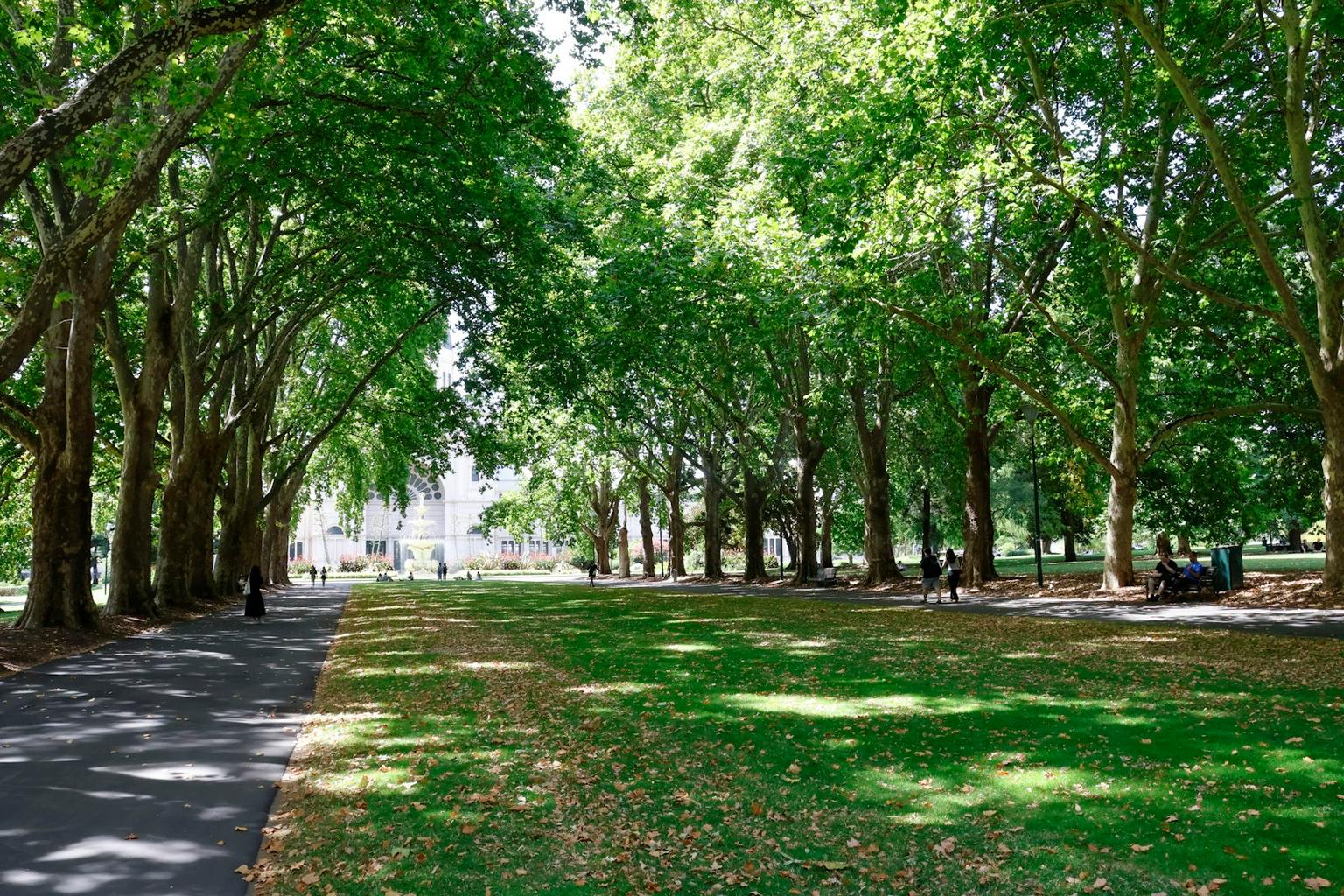
In a time when we are always rushing, we rarely allow ourselves the luxury of simply sitting and listening for an hour and a half. Not to a screen. Not to a podcast that keeps us company while we drive or cook. To a person. To their thoughts, their pauses, their hesitations and the way they search for the right word. That is exactly why I love festivals like this one. They remind us that conversation has not lost its value — we have simply neglected it a little.
Gospodinov spoke about his new book, The Gardener and Death. In fact, he spoke about his father, about growing old, about the moments we think are entirely ordinary while they are happening and only much later realise have become our most important memories. It was not a conversation that tries to impress an audience with grand thoughts. On the contrary, it was almost tender, with no wish to make an impression. And precisely because of that, we were impressed.
As I listened to him, several times I caught myself not thinking about the book at all. My thoughts were travelling much further. I remembered the conversations I had with my mother, the questions I never asked and those small things a person considers unimportant when they are young. Only when the years have passed do we understand that a life is not remembered by its great events, but by the way someone poured the coffee, by the garden they tended every spring, or by a sentence they said so often that it used to get on our nerves — and today we would give a great deal to hear it once more.
Perhaps that is exactly why good literature knows no borders. Gospodinov writes from Bulgaria, I live between Serbia and Switzerland, the people around me had come from different countries, and yet I had the feeling that we were all listening to the same story. We do not share the same origin, but we all have someone we love, someone who is growing old and someone we are afraid will one day live on only in our memory.
That is what fascinates me about culture again and again. It gives us the chance to recognise our own story in someone else’s, and to see it in a different way.
Perhaps that is why the audience listened so attentively that evening. There were not many glances towards a phone, there was no impatience and none of that need to photograph everything straight away. People were simply present. Today that seems almost a luxury to me. To be completely present in one place, with one person speaking and hundreds of people listening.
I often think about what we actually take home after a cultural event. I have been organising performances for more than twenty years and I know how much energy stands behind every show, every concert and every film screening. Of course we are glad when the hall is full and when the audience leaves satisfied. But the finest compliment is not the applause. The finest compliment is when somebody tells you a few days later: "I am still thinking about what I heard."
I think that is the only measure that truly matters.
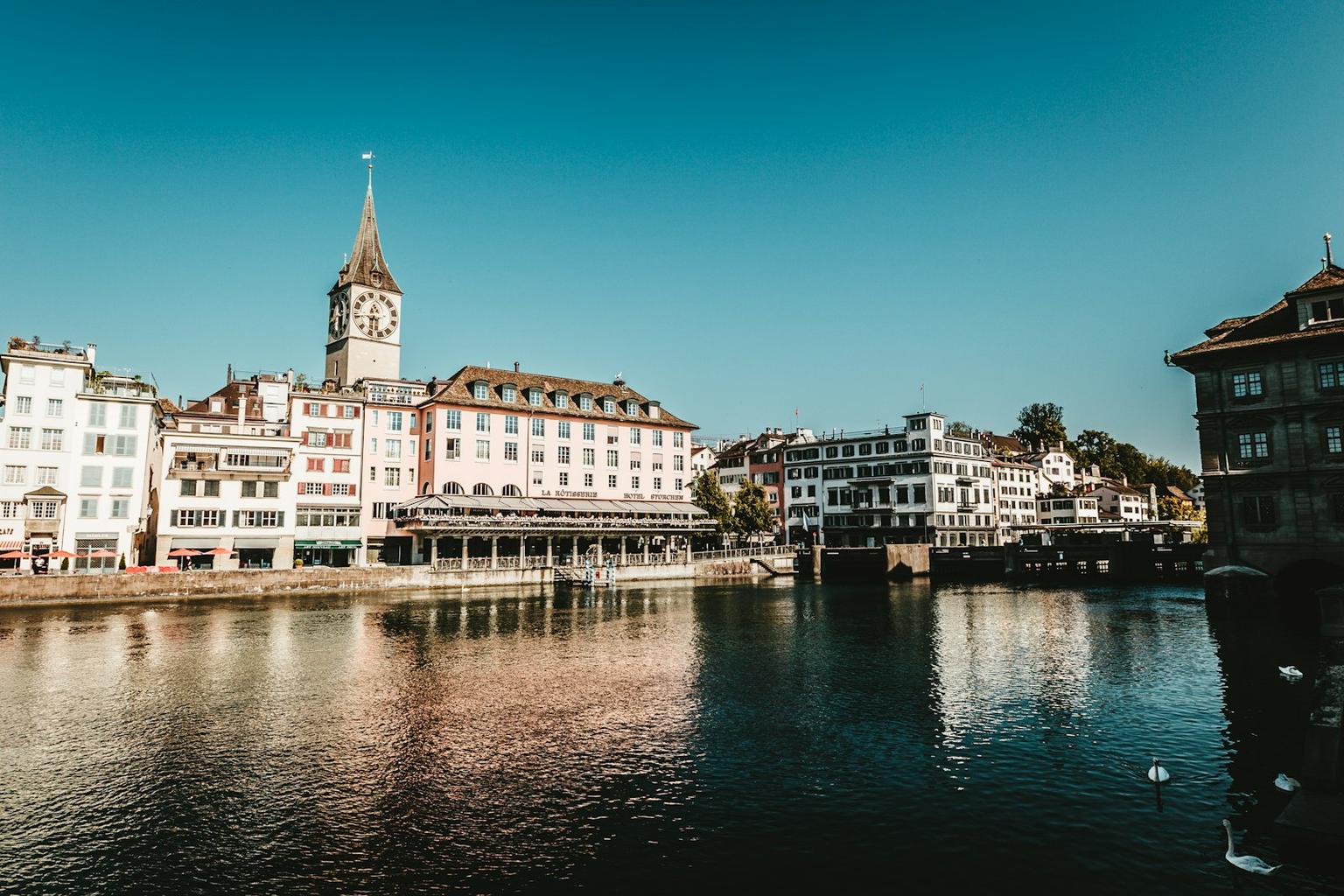
On the way home I did not open my phone straight away. Nor did I hurry to retell to anyone what I had listened to. I needed a little silence — some thoughts are more beautiful while they are still unspoken. I walked along the Limmat and thought about how much we all need more evenings like this one. Evenings that do not entertain us at any cost, but remind us to pause.
Perhaps that is why every year I set aside time for Literaturfestival Zürich. And this year Jelena Angelovski especially encouraged me not to miss this particular writer. I did not regret it, quite the opposite. Georgi Gospodinov and Gesa Schneider, his excellent interlocutor, opened up many new questions and themes for me and left me richer for the experience of one wonderful conversation.
If you did not manage to be there this year, do not think you have missed something forever. The festival conversations are available online as well, and I honestly believe it is worth setting aside one summer evening for them. Not because you will read or hear something you do not already know, but because you will perhaps, like me, close your laptop and go on sitting in silence for a while.
And that, in a world that is constantly demanding our attention, is perhaps the greatest gift culture can give us today.
— Evica
Our stories
Why people from the Balkans leave so often, yet find it so hard to stop thinking about it
Evica Marković1 October 2026When you have lived away from the country you came from for a long time, your relationship with it becomes more complicated than you imagined at the start. Distance sometimes sharpens the view and sometimes clouds it with nostalgia…
Read moreEleven days when Zurich lives through film
Evica Marković23 September 2026Every autumn the area around Sechseläutenplatz changes almost overnight. Festival signs appear, queues form in front of the cinemas, around town you hear more and more conversations about films nobody has had the chance to see yet, and people who might otherwise never meet end up in the same auditorium because they picked the same title from the programme…
Read moreWhen design steps out onto the streets of Zurich
Evica Marković17 September 2026There are things we use every day and almost never think about. The chair we sit on, the glass we drink water from, the sign at the stop that tells us where to go, the light in a restaurant that keeps us there longer than we planned, or a poster on the street that makes us stop…
Read more

FAQ
Frequently asked questions.
HELSE is a Swiss cultural association that fosters exchange between Switzerland and Serbia. Through theatre, film, music, stand-up and children's workshops we build cultural bridges — alive, inspiring and open to everyone.
Our programme is diverse: theatre performances, film screenings, stand-up comedy, concerts, readings, seminars and children's workshops.
Events run year-round — the current schedule lives in the Events section.
Tickets are sold online via each event's page and, for some programmes, at the door before the show. HELSE members receive discounts on selected events.
Membership is open to anyone who wants to support the association. The annual fee is CHF 70, with reduced rates for students and pensioners.
Sign up via the Membership page — for any additional questions, write to info@helse.ch.